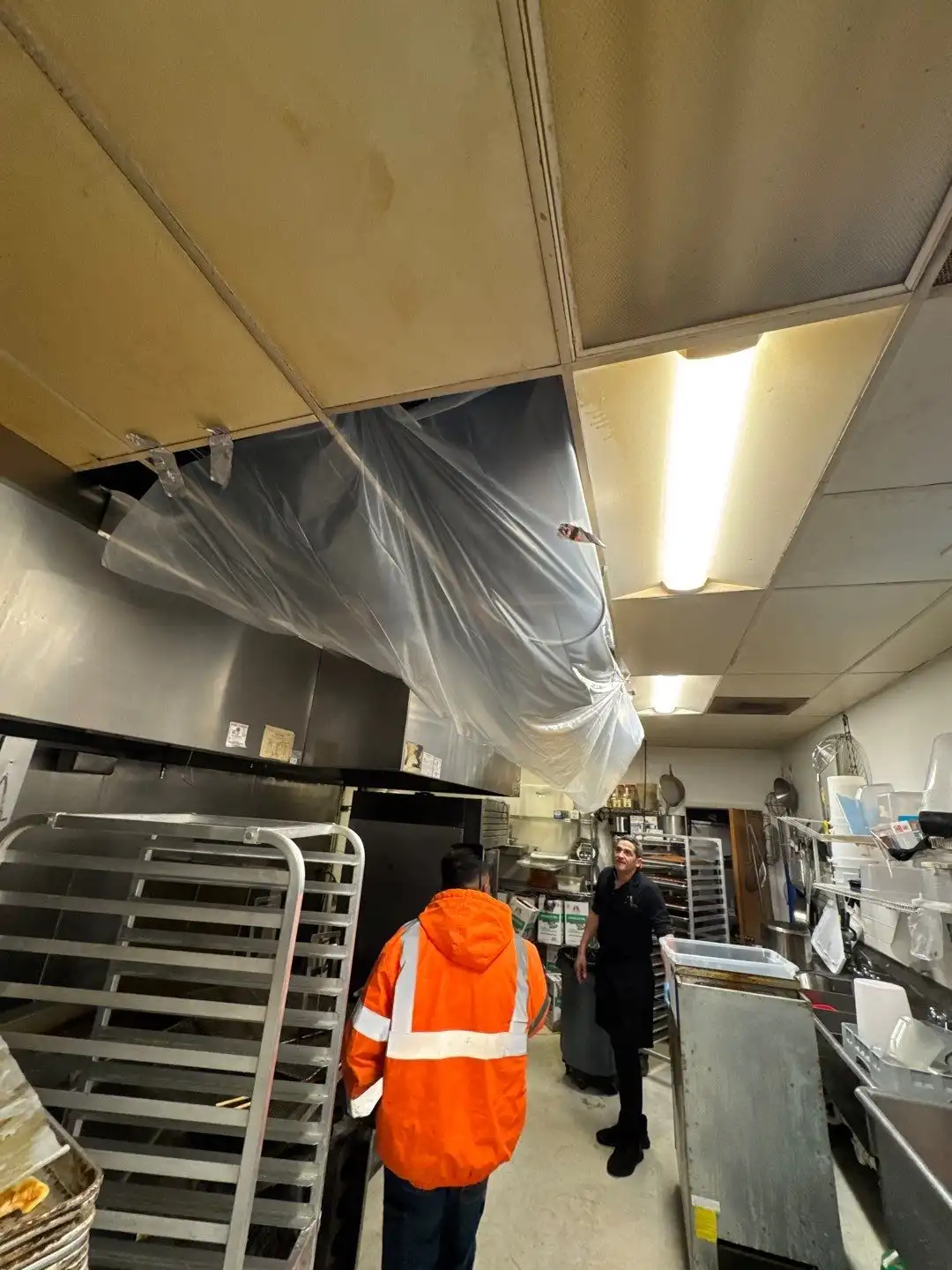
Reducing future storm damage risk
After handling storm damage, a LaPorte facility owner can take steps to reduce the risk and impact of future storms, since a well maintained, sound roof weathers storms better than a neglected one. Preparation limits future losses.
Keeping the roof in sound condition
A roof kept in sound condition through maintenance resists storm damage better, since intact membrane, secure flashings, and tight details are less likely to fail under wind and weather. Soundness is the best defense. For a facility, maintaining the roof so its membrane, flashings, seams, and details are intact and secure helps it withstand storms, since a roof already in good condition has fewer weak points for a storm to exploit. Regular maintenance that keeps the roof sound is one of the most effective ways to reduce the damage a storm can do.
Securing vulnerable areas
Addressing vulnerable areas, loose edges, lifting flashings, and weak details, before a storm reduces the points where wind can get under the roof and cause damage. Securing weak points limits storm vulnerability. For a LaPorte County facility, fixing the loose or lifting areas that storms exploit, particularly edges and flashings where wind uplift begins, reduces the roof's vulnerability before the next storm. Catching and securing these weak points through inspection and maintenance heads off the storm damage that often starts at an already compromised detail, protecting the roof when the weather turns severe.
Maintaining drainage for heavy rain
Keeping the drainage clear and functioning prepares the roof for the heavy rain storms bring, preventing the ponding and backup that overwhelmed drainage causes. Clear drainage handles storm rain. For a LaPorte facility, maintaining the drains, scuppers, and gutters so they handle heavy rainfall reduces the risk of ponding and water backup during storms, which can damage the roof and admit water. Ensuring the drainage has the capacity and clearance to move storm rain off the roof is part of preparing a commercial roof for severe weather.
Regular and post storm inspections
Regular inspections, plus a check after every significant storm, catch both developing weaknesses and any storm damage early, before they worsen. Inspection is the foundation of preparedness. For a facility, inspecting the roof regularly to find and fix weaknesses, and after each major storm to catch any damage promptly, keeps the roof prepared and any storm damage from going unaddressed. This combination of routine and post storm inspection is central to managing storm risk, ensuring the roof stays sound and that damage, when it occurs, is found and handled fast.
A maintenance plan that includes storm response
A maintenance plan keeps the roof sound and prepared and can include prompt post storm inspection and response, integrating storm readiness into the roof's ongoing care. The plan ties it together. For a LaPorte County facility, a maintenance plan that keeps the roof in good condition and provides for post storm inspection and rapid response means the roof is both more resistant to storms and quickly attended to when one hits. This integrated approach, maintaining the roof and being ready to respond, is the practical way to manage storm risk over the long term for a commercial building.
Knowing who to call before a storm
Having an emergency roofer identified before a storm hits means a fast response when one does, since the contact is already in place and the roofer may know your roof. Preparedness includes the relationship. For a LaPorte facility, knowing who to call for emergency response before a storm, ideally a roofer familiar with your building through maintenance, means that when storm damage occurs, the response is immediate rather than delayed by searching for help. Establishing that relationship in advance is part of being prepared, so the emergency response can begin the moment it is needed.
Preparing for the next storm
Reducing future storm damage risk means keeping the roof sound, securing vulnerable areas, maintaining drainage, inspecting regularly and after storms, having a maintenance plan with storm response, and knowing who to call. For a facility owner, this preparation limits the damage future storms can do and ensures a fast response when they hit, protecting the building over the long term.
Finally, the facilities that handle storms best are the ones prepared before the storm arrives, with a sound, maintained roof and an emergency roofer already identified. A facility that keeps its roof in good condition and knows who to call faces less damage and a faster response than one scrambling after the fact. Storm readiness is built in calm weather through maintenance and relationships, so that when a storm hits, the roof resists better and the response begins immediately, limiting the loss to the building and the operations it shelters.
It also helps to separate the two phases clearly, since stabilization and permanent repair serve different purposes and both are necessary. A LaPorte County facility that understands the temporary protection stops the bleeding while the permanent repair restores the roof will neither panic that the tarp is inadequate nor mistake it for the finished job. The emergency response buys time; the permanent repair uses that time to fix the roof properly. Keeping both phases in view leads to a storm damaged roof that is protected immediately and restored durably, which is the goal.
The larger point about storm damage is that the cost of waiting almost always exceeds the cost of responding, since an open roof keeps letting water in and the damage compounds by the hour. A LaPorte facility that calls for emergency response immediately contains the problem at its initial extent, while one that delays watches a localized breach become widespread damage to the roof, the structure, and the contents below. The single most important factor in how a storm emergency turns out is how fast the response begins, which is why acting at once matters so much.
Finally, the facilities that handle storms best are the ones prepared before the storm arrives, with a sound, maintained roof and an emergency roofer already identified. A facility that keeps its roof in good condition and knows who to call faces less damage and a faster response than one scrambling after the fact. Storm readiness is built in calm weather through maintenance and relationships, so that when a storm hits, the roof resists better and the response begins immediately, limiting the loss to the building and the operations it shelters.
Prepare your roof and your response
LaPorte Commercial Roofing helps LaPorte facilities keep their roofs sound and storm ready through maintenance and provides fast response when storms hit. Call (765) 676-3491 to prepare your roof and line up your emergency response. Preparation and a ready response are what limit the damage when the next storm comes.